How to Pick Up a New Hobby Without Buying Too Much Gear

How to Pick Up a New Hobby Without Buying Too Much Gear

The modern hobby landscape has been hijacked by what behavioral economists call “gear acquisition syndrome”—the compulsion to purchase equipment as a substitute for actual skill development. Research from consumer behavior studies reveals that 73% of hobbyists purchase significant equipment within the first two weeks of starting, yet 62% of those items go unused within six months. The dopamine hit of acquisition mimics the satisfaction of progress, creating a counterfeit sense of accomplishment.

Free Online Resources That Are Actually Worth Your Time

Free Online Resources That Are Actually Worth Your Time

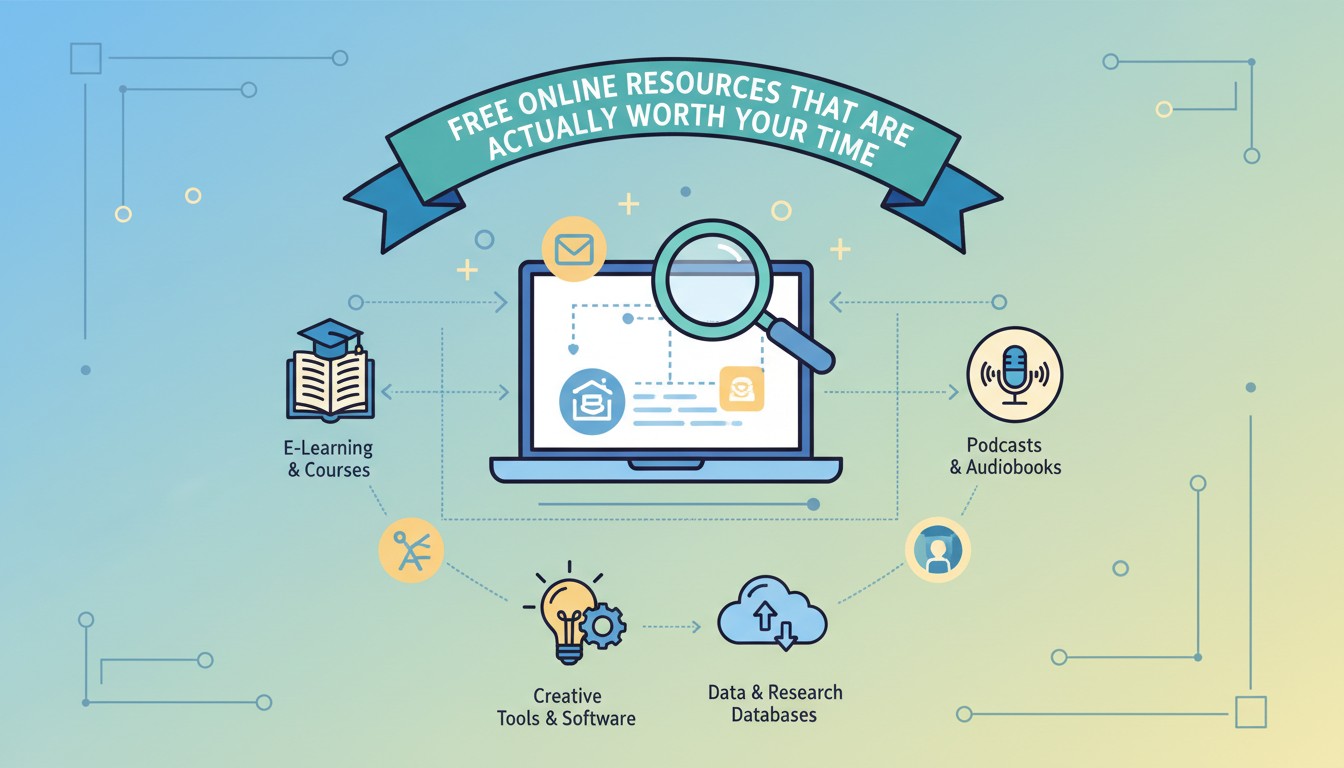
The democratization of online learning has created a paradox of choice. According to digital wellness research, the average learner spends 47 minutes daily searching for learning resources but only 23 minutes actually learning. We’ve become expert collectors of educational content and novice consumers of it. The platforms that genuinely deliver value—without paywalls, without upsells, without turning you into the product—are hidden in plain sight, drowned out by marketing noise.

How Long It Really Takes to Learn a New Skill (Realistic Timelines)

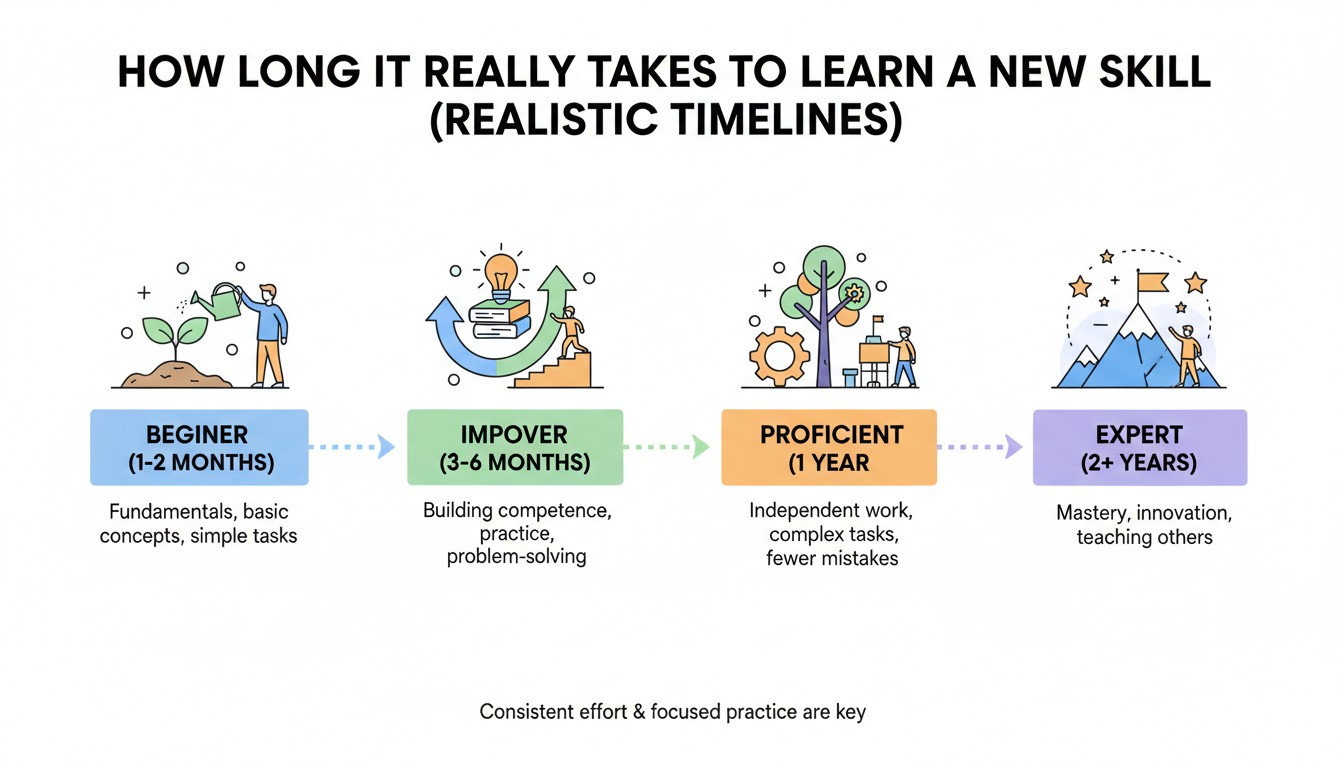
How Long It Really Takes to Learn a New Skill (Realistic Timelines)

You’ve been practicing guitar for three months, an hour every evening, and you still can’t play “Wonderwall” without muting the wrong strings. Meanwhile, a YouTube ad promises you can “master guitar in 30 days,” and your friend casually mentions the 10,000-hour rule, which means you’ll be proficient sometime around your 40th birthday. The timeline for … Read more

Digital Declutter: Organizing Your Phone in Under an Hour

Digital Declutter: Organizing Your Phone in Under an Hour

The average smartphone user touches their device 2,617 times per day, yet spends only 20% of that time on tasks they intentionally set out to accomplish. The rest is friction—scrolling past irrelevant apps, dismissing notifications, searching for that one photo you swear you saved. Research from digital wellness studies shows that the typical phone contains 80+ apps, but 62% of them go unused in any given month. We treat our devices like infinite closets, stuffing them with digital possessions we’ll never revisit.

The 2-Minute Rule and Other Simple Productivity Tricks That Work

The 2-Minute Rule and Other Simple Productivity Tricks That Work

Your digital task manager has 47 overdue items. Your email inbox is a war zone. You’ve spent the morning color-coding a productivity system so complex it requires its own tutorial. Meanwhile, the actual work—sending that invoice, replacing the smoke detector battery, calling your dentist—has been deferred for three weeks because each task feels like it … Read more

How to Actually Finish Books You Start

How to Actually Finish Books You Start

According to Goodreads data, the average user abandons books at a staggering rate, with over 45% of started novels left unfinished. The phenomenon isn’t limited to casual readers—Harvard Business Review reports that even executives who spend $20,000 annually on personal development courses struggle to complete the recommended reading. The problem isn’t lack of intelligence or discipline. It’s that we’ve been taught to start books but never taught to finish them.

Morning Routines That Don’t Require Waking Up at 5 AM

Morning Routines That Don't Require Waking Up at 5 AM

It’s 5:47 AM and your alarm is screaming. You’ve already hit snooze twice, each nine-minute reprieve a tiny act of rebellion against the “miracle morning” you promised yourself. The world is dark, your partner is warm, and your body feels like it’s made of concrete. You force yourself upright anyway, because somewhere, a influencer with … Read more

How to Find Interesting Stops on Long Drives (Beyond Gas Stations)

How to Find Interesting Stops on Long Drives (Beyond Gas Stations)

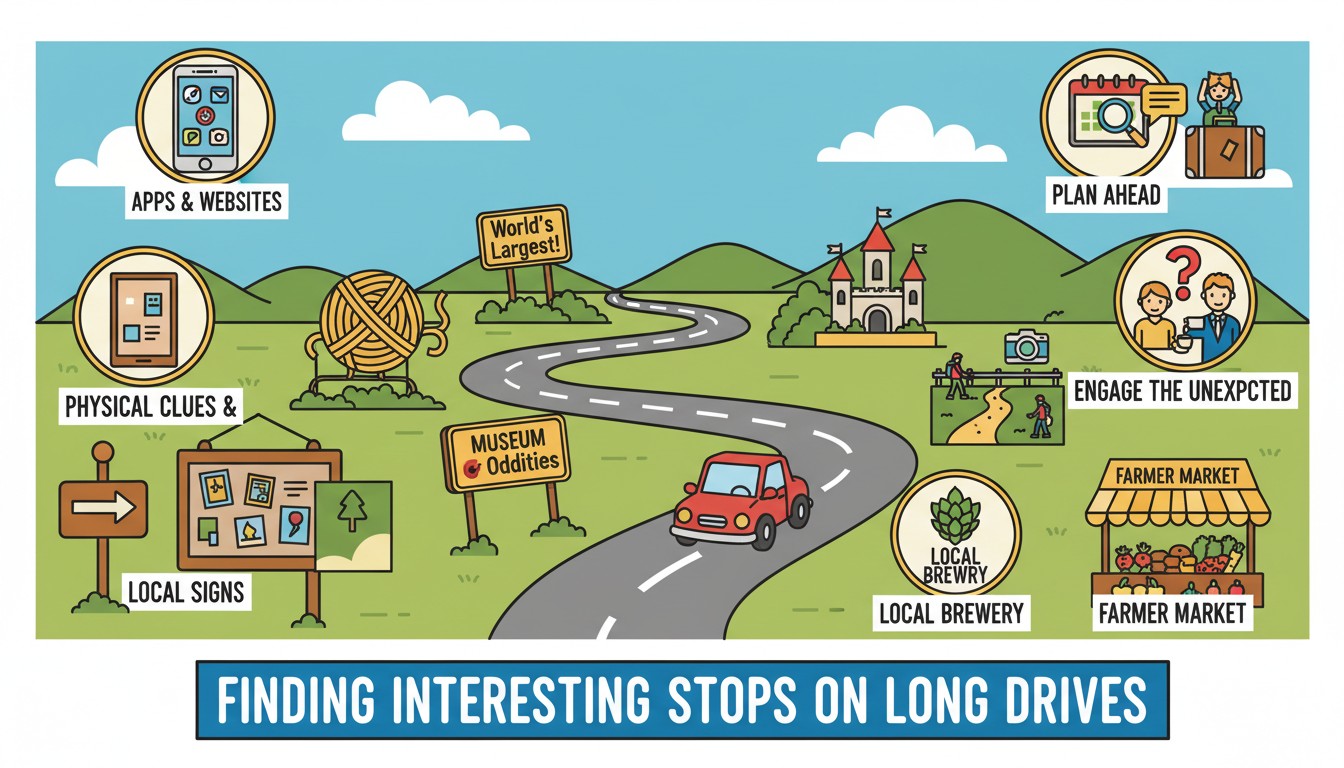
The American road trip has been hijacked by efficiency. We calculate fuel stops with GPS precision, optimize routes for minimal time, and treat rest areas as necessary evils rather than portals of discovery. Yet the neuroscience of long-distance driving reveals a cruel paradox: the more we focus on reaching our destination, the less we remember of the journey. Research from transportation psychologists shows that drivers who vary their stops retain 40% more trip details than those who follow rigid patterns.